Unlocking the Mood-Boosting Benefits of Maca Root: A Comprehensive Guide
Discover how maca root can enhance your mood and mental health. Explore its benefits, dosage, and incorporation into your diet.

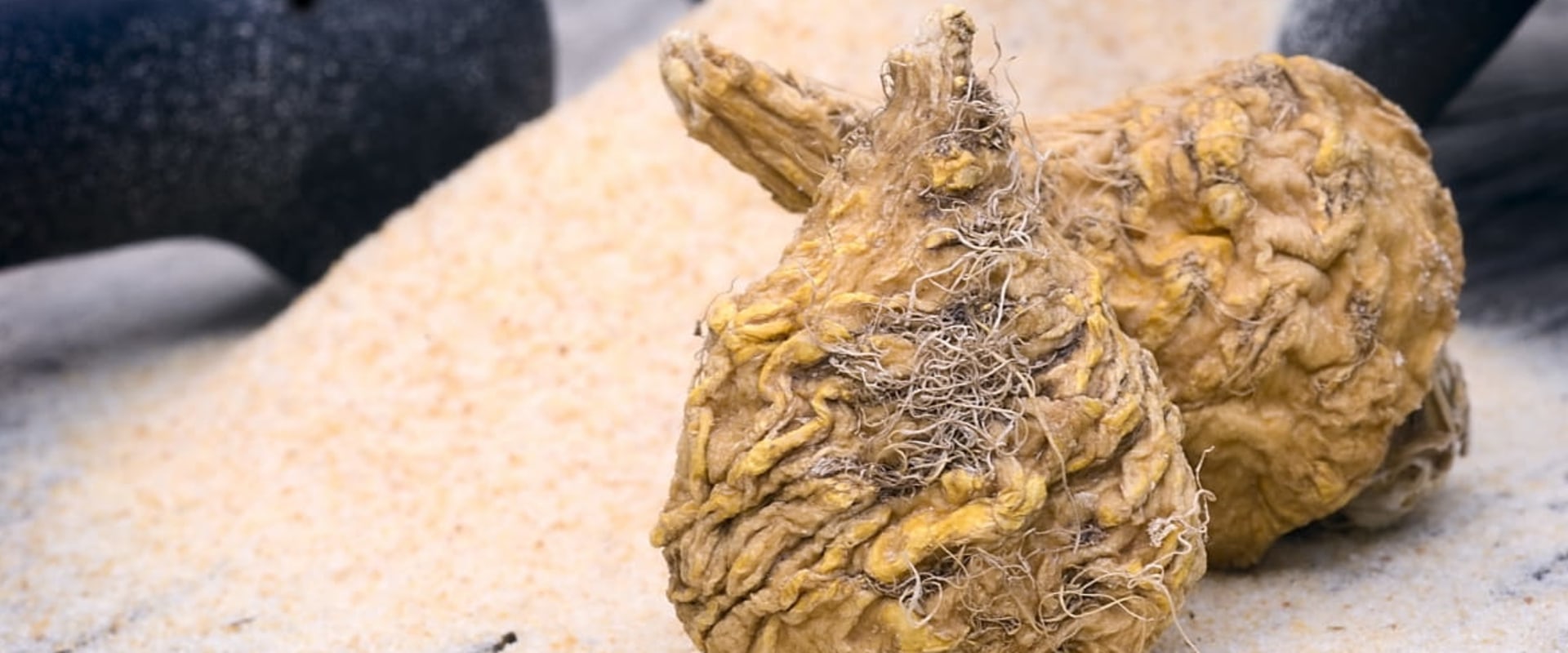
Maca root, scientifically known as Lepidium meyenii, is a nutrient-rich tuber native to the high altitudes of the Andes Mountains in Peru. For centuries, indigenous cultures have revered this remarkable root for its numerous health benefits, particularly its ability to enhance energy and vitality. Recently, maca root has gained significant attention in the wellness community, often hailed as a superfood due to its impressive nutritional profile and adaptogenic properties. As more people seek natural solutions for improving their overall well-being, including exploring what are 5 mindfulness exercises, maca root has emerged as a popular choice for those looking to boost their mood and mental health. The growing interest in maca root can be attributed to its unique composition, which includes essential vitamins, minerals, and amino acids. , is a nutrient-rich tuber native to the high altitudes of the Andes Mountains in Peru. For centuries, indigenous cultures have revered this remarkable root for its numerous health benefits, particularly its ability to enhance energy and vitality. Recently, maca root has gained significant attention in the wellness community, often hailed as a superfood due to its impressive nutritional profile and adaptogenic properties. As more people seek natural solutions for improving their overall well-being, including exploring what are 5 mindfulness exercises, maca root has emerged as a popular choice for those looking to boost their mood and mental health. The growing interest in maca root can be attributed to its unique composition, which includes essential vitamins, minerals, and amino acids.
These nutrients work synergistically to support various bodily functions, including hormone regulation and energy production. One of the most compelling aspects of maca root is its potential to positively influence mood. Research suggests that this powerful root may help alleviate symptoms of anxiety and depression by promoting hormonal balance and increasing serotonin levels in the brain. This makes it an appealing option for individuals seeking natural alternatives to conventional mood-enhancing treatments. As we delve deeper into the world of maca root, we will explore its specific mood-enhancing properties and how it can serve as a valuable addition to your daily routine.
Whether you are struggling with stress or simply looking to elevate your overall emotional state, understanding the benefits of maca root can empower you to make informed choices about your health. Join us on this journey as we uncover the science behind maca root and its remarkable ability to improve mood and enhance quality of life.
What is Maca Root?
Maca root, scientifically known as Lepidium meyenii, is a cruciferous vegetable native to the high Andes of Peru. Often referred to as Peruvian ginseng, this nutrient-rich root has been cultivated for over 2,000 years and has played a significant role in the diet and culture of the indigenous people of the region. Traditionally, maca root was used not only as a food source but also for its medicinal properties, believed to enhance stamina, energy, and overall vitality. The root itself resembles a small radish or turnip and comes in various colors, including yellow, red, and black.Each variety is thought to have slightly different benefits, with some studies suggesting that black maca may be particularly effective for improving libido and fertility.
Nutritional Profile of Maca Root
Maca root is celebrated for its impressive nutritional composition. It is rich in essential vitamins and minerals, including:- Vitamins: Maca root contains B vitamins such as B1 (thiamine), B2 (riboflavin), B3 (niacin), and B6 (pyridoxine), which are crucial for energy metabolism and brain function.
- Minerals: It is a good source of calcium, potassium, iron, magnesium, and zinc, all of which play vital roles in maintaining bodily functions.
- Amino Acids: Maca root provides a complete protein profile with all nine essential amino acids necessary for muscle repair and growth.
- Fiber: The high fiber content aids digestion and promotes gut health.
- Antioxidants: Maca is rich in antioxidants that help combat oxidative stress and inflammation in the body.
Whether consumed in powder form, capsules, or as part of a meal, maca root offers a natural way to support mental health and physical vitality.
The Science Behind Maca Root and Mood Improvement
Understanding the science behind maca root and its effects on mood is crucial for anyone considering this natural supplement. Numerous studies have explored how maca root can positively influence mental well-being, particularly through its impact on hormone regulation and serotonin levels. One of the key mechanisms by which maca root may enhance mood is through its ability to balance hormones. Hormonal imbalances can lead to mood swings, anxiety, and depression. Research indicates that maca root can help regulate estrogen and testosterone levels, which are vital for emotional stability.For instance, a study published in the journal Menopause found that women who consumed maca experienced a significant reduction in symptoms of anxiety and depression during menopause, likely due to its hormone-balancing properties. Additionally, maca root is believed to influence serotonin levels in the brain. Serotonin is a neurotransmitter that plays a critical role in mood regulation. Low serotonin levels are often associated with feelings of sadness and anxiety. A study conducted on animals showed that maca root extract increased serotonin levels, suggesting a potential mechanism for its mood-enhancing effects.
While more human studies are needed to confirm these findings, the preliminary evidence is promising. Furthermore, maca root contains various bioactive compounds, including flavonoids and alkaloids, which may contribute to its mood-lifting properties. These compounds have been shown to possess adaptogenic qualities, helping the body adapt to stress and promoting overall mental health. A systematic review published in Evidence-Based Complementary and Alternative Medicine highlighted that participants who took maca reported improved mood and reduced feelings of anxiety compared to those who did not. In summary, the scientific research surrounding maca root suggests that it can be an effective natural remedy for improving mood through hormone regulation and serotonin enhancement. While individual responses may vary, incorporating maca root into your daily routine could be a beneficial step towards achieving better mental well-being.
How Maca Root Affects Hormonal Balance
Hormonal balance is a critical aspect of overall health, influencing not only physical well-being but also emotional stability.Maca root, a powerful adaptogen, has been shown to play a significant role in regulating hormones in both men and women, making it an essential supplement for those seeking to enhance their mood naturally.
One of the primary ways maca root contributes to hormonal balance is through its ability to influence the levels of estrogen and testosterone. These hormones are vital for various bodily functions, including mood regulation, energy levels, and reproductive health. When estrogen and testosterone levels are imbalanced, individuals may experience a range of symptoms such as mood swings, fatigue, and decreased libido.
Estrogen Regulation:
In women, maca root has been found to help regulate estrogen levels. This is particularly beneficial for those experiencing hormonal fluctuations due to menstrual cycles, pregnancy, or menopause.
By stabilizing estrogen levels, maca root can alleviate symptoms such as irritability, anxiety, and mood swings that often accompany these changes.
Testosterone Regulation:
For men, maintaining optimal testosterone levels is crucial for mood stability and overall vitality. Maca root has been shown to support testosterone production without causing excessive spikes that can lead to aggression or irritability. This balance can enhance mood and energy levels while also improving sexual function.
The adaptogenic properties of maca root allow it to support the endocrine system effectively. The endocrine system is responsible for hormone production and regulation; thus, nourishing this system can lead to improved hormonal health.
Maca root contains phytoestrogens—plant compounds that mimic estrogen in the body—allowing it to act as a natural alternative for those with hormonal imbalances. Incorporating maca root into your daily routine can be a simple yet effective way to promote hormonal balance. Whether consumed in powder form added to smoothies or taken as capsules, the benefits of maca root extend beyond just mood enhancement. It can also contribute to better energy levels and overall well-being. In conclusion, the impact of maca root on hormonal balance is profound. By regulating estrogen and testosterone levels, it not only supports physical health but also plays a crucial role in stabilizing mood.
For anyone looking to improve their emotional well-being naturally, maca root may be an excellent addition to their health regimen.
Maca Root and Its Role in Reducing Anxiety and Depression
Maca root has garnered attention not only for its energy-boosting properties but also for its potential in alleviating symptoms of anxiety and depression. As a natural adaptogen, maca root helps the body adapt to stress and promotes emotional balance, making it a valuable ally for those struggling with mental health issues. Research indicates that maca root may positively influence mood by regulating hormone levels and enhancing neurotransmitter function. A study published in the journal Evidence-Based Complementary and Alternative Medicine found that participants who consumed maca root experienced a significant reduction in symptoms of anxiety and depression compared to those who did not. This effect is believed to stem from maca's ability to increase serotonin levels, a neurotransmitter that plays a crucial role in mood regulation. In addition to clinical studies, numerous personal testimonials highlight the effectiveness of maca root in managing anxiety and depression.Many users report feeling more balanced and less overwhelmed after incorporating maca into their daily routine. For instance, one individual shared their experience of overcoming persistent anxiety after taking maca root consistently for several weeks. They noted that their overall mood improved, and they felt more equipped to handle daily stressors. Another aspect of maca root's appeal is its versatility. It can be easily added to smoothies, oatmeal, or baked goods, making it a convenient option for those seeking natural remedies for anxiety.
Unlike some pharmaceutical treatments that may come with unwanted side effects, maca root is generally well-tolerated, with minimal adverse reactions reported. However, it is essential to approach the use of maca root with realistic expectations. While many individuals find relief from anxiety and depression symptoms through its use, results can vary based on individual body chemistry and the severity of the condition. Consulting with a healthcare professional before starting any new supplement regimen is advisable, especially for those already on medication for mental health issues. In summary, maca root presents a promising natural solution for those seeking relief from anxiety and depression. Its adaptogenic properties, combined with positive anecdotal evidence and supportive research, make it an appealing option for enhancing emotional well-being.
Recommended Dosage of Maca Root for Mood Enhancement
When considering the use of maca root for mood enhancement, understanding the appropriate dosage is crucial for achieving optimal results.The effectiveness of maca root can vary based on individual factors such as body weight, metabolism, and specific health goals. Therefore, it is essential to approach supplementation thoughtfully. Generally, the recommended dosage of maca root for mood improvement ranges from 1 to 3 grams per day. This dosage can be adjusted based on personal response and desired effects. Here’s a more detailed breakdown:
-
Starting Dosage: For those new to maca root, it is advisable to begin with a lower dose of around 1 gram (approximately 1 teaspoon).
This allows your body to acclimate to the supplement without overwhelming it.
- Gradual Increase: After a week of consistent use, you may consider gradually increasing the dosage by 0.5 to 1 gram every few days. This incremental approach helps in identifying the optimal amount that works for you.
- Maintenance Dosage: Most individuals find that a daily intake of 2 to 3 grams is effective for mood enhancement. This amount can help stabilize hormone levels and improve overall emotional well-being.
- Maca Powder: Typically, 1 teaspoon (about 5 grams) of powder contains around 3 grams of active compounds beneficial for mood.
- Capsules: If using capsules, follow the manufacturer’s instructions, as they often contain concentrated doses.
- Liquid Extracts: These may require different dosages; always refer to the product label for guidance.
They can provide personalized advice based on your health history and current medications. Additionally, monitoring your body’s response during supplementation is key; if you experience any adverse effects or do not notice improvements in mood after several weeks, consider adjusting your dosage or discussing alternatives with your healthcare provider. In summary, while the general guideline for maca root dosage for mood enhancement is between 1 and 3 grams per day, individual needs may vary. Starting low and adjusting gradually will help you find the most effective dose for your unique situation.
Potential Side Effects and Considerations When Using Maca Root
While maca root is widely regarded as a safe and beneficial supplement, it is essential to be aware of potential side effects and considerations before incorporating it into your routine. Understanding these factors can help you make informed decisions about your health and well-being.Common Side Effects
Most individuals tolerate maca root well, but some may experience mild side effects, particularly when starting supplementation.Common side effects include:
- Digestive Issues: Some users report experiencing bloating, gas, or stomach upset. These symptoms are often temporary and may subside as the body adjusts to the supplement.
- Headaches: A few individuals have noted headaches after taking maca root, which could be due to its energizing properties or changes in hormone levels.
- Insomnia: Due to its potential energy-boosting effects, taking maca root late in the day may interfere with sleep for some people.
Who Should Avoid Maca Root?
While maca root is generally safe for most people, certain individuals should exercise caution or avoid it altogether:- Pregnant or Breastfeeding Women: There is limited research on the safety of maca root during pregnancy and lactation. Therefore, it is advisable for these individuals to consult a healthcare professional before use.
- Individuals with Hormonal Disorders: Those with conditions such as estrogen-sensitive cancers or thyroid issues should consult their doctor before using maca root, as it may influence hormone levels.
- People with Allergies: If you have a known allergy to cruciferous vegetables (such as broccoli or cabbage), you may want to avoid maca root, as it belongs to the same family.
Consulting a Healthcare Professional
If you are considering adding maca root to your diet, especially if you have pre-existing health conditions or are taking medications, it is wise to consult with a healthcare professional. They can provide personalized advice based on your health history and help determine the appropriate dosage for your needs. In summary, while maca root offers numerous benefits, being aware of potential side effects and who should avoid it is crucial for safe consumption.By taking these precautions, you can enjoy the positive effects of this superfood while minimizing any risks associated with its use.
Incorporating Maca Root into Your Diet: Tips and Recipes
Incorporating maca root into your daily diet can be both enjoyable and beneficial for your mood and overall health. This versatile superfood can be added to a variety of dishes, making it easy to reap its benefits without drastically changing your eating habits. Here are some practical tips and delicious recipes to help you seamlessly integrate maca root into your meals.How to Use Maca Root
Maca root is available in several forms, including powder, capsules, and liquid extracts. The powdered form is the most popular and easiest to incorporate into various recipes.Here are some tips on how to use maca root effectively:
- Start Small: If you're new to maca root, begin with a small amount, such as 1 teaspoon per day, and gradually increase it to 1-3 tablespoons as your body adjusts.
- Mix with Liquids: Add maca powder to smoothies, juices, or even water. This is a great way to mask its earthy flavor while enjoying its benefits.
- Baking: Incorporate maca powder into baked goods like muffins, pancakes, or energy bars. It adds a nutritional boost without altering the taste significantly.
- Sprinkle on Foods: Dust maca powder over oatmeal, yogurt, or salads for an extra nutrient kick.
Maca Root Recipes
Here are a few simple recipes that highlight the versatility of maca root:-
Maca Smoothie
Ingredients:
- 1 banana
- 1 cup almond milk (or any milk of choice)
- 1 tablespoon maca powder
- 1 tablespoon almond butter
- A handful of spinach (optional)
Instructions:
Blend all ingredients until smooth. Enjoy this nutrient-packed smoothie as a breakfast option or post-workout snack. -
Maca Energy Bites
Ingredients:
- 1 cup oats
- 1/2 cup nut butter (peanut or almond)
- 1/4 cup honey or maple syrup
- 2 tablespoons maca powder
- Optional: chocolate chips or dried fruit
Instructions:
Mix all ingredients in a bowl until well combined.Roll into small balls and refrigerate for at least 30 minutes before serving. These bites make for a perfect on-the-go snack.
-
Maca Pancakes
Ingredients:
- 1 cup whole wheat flour
- 2 tablespoons maca powder
- 1 tablespoon baking powder
- 1 cup milk (or plant-based alternative)
- 1 egg (or flax egg for vegan option)
- A pinch of salt
Instructions:
In a bowl, mix dry ingredients together. In another bowl, whisk wet ingredients. Combine both mixtures and cook on a hot griddle until golden brown on both sides.Serve with fresh fruit or maple syrup.
Frequently Asked Questions About Maca Root and Mood Improvement
As interest in maca root continues to grow, many people have questions about its effects on mood and overall well-being. Below are some of the most frequently asked questions regarding maca root and its potential benefits for mood improvement.What is maca root?
Maca root is a nutrient-rich tuber native to the Andes mountains of Peru. Often referred to as a superfood, it is known for its adaptogenic properties, which help the body adapt to stress and promote balance.Maca root is available in various forms, including powder, capsules, and extracts.
How does maca root affect mood?
Maca root has been shown to positively influence mood by regulating hormone levels and enhancing serotonin production in the brain. This can lead to reduced feelings of anxiety and depression, making it a popular choice for those seeking natural mood support.Does maca help with mood swings?
Yes, many users report that maca root helps stabilize mood swings. Its ability to balance hormones can be particularly beneficial for individuals experiencing fluctuations due to hormonal changes, such as during menstruation or menopause. By promoting hormonal equilibrium, maca may help mitigate the emotional ups and downs associated with these changes.Are there any side effects of taking maca root?
Generally, maca root is considered safe for most people when taken in appropriate doses.However, some individuals may experience mild side effects such as digestive discomfort or headaches. It’s advisable to start with a small dose and gradually increase it while monitoring your body’s response.
How should I take maca root for mood improvement?
The recommended dosage of maca root varies depending on individual needs and health goals. For mood enhancement, starting with 1-3 grams per day is common. You can mix maca powder into smoothies, oatmeal, or baked goods for easy incorporation into your diet.Can I take maca root with other supplements?
Maca root can generally be taken alongside other supplements; however, it’s always best to consult with a healthcare professional before combining it with other products.This ensures that there are no potential interactions and that you are taking the right dosages for your specific health needs. In summary, maca root offers promising benefits for mood improvement through its hormone-balancing properties. As with any supplement, individual experiences may vary, so it's essential to listen to your body and consult a healthcare provider if you have any concerns.
Conclusion: The Transformative Potential of Maca Root for Mood Enhancement
In summary, the exploration of maca root as a natural remedy for mood enhancement reveals its remarkable potential to positively influence mental well-being. Throughout this guide, we have delved into the various mechanisms through which maca root operates, highlighting its adaptogenic properties that help the body adapt to stress and hormonal fluctuations. One of the most significant findings is maca root's ability to regulate hormone levels, particularly estrogen and testosterone. This regulation is crucial for maintaining emotional stability and reducing symptoms associated with mood disorders such as anxiety and depression.By balancing these hormones, maca root not only alleviates mood swings but also enhances overall emotional resilience. Moreover, the impact of maca root on serotonin levels cannot be overlooked. Serotonin is often referred to as the "feel-good" neurotransmitter, and its increase can lead to improved mood and a greater sense of well-being. This makes maca root a compelling option for those seeking natural alternatives to conventional mood-enhancing medications. As we discussed, incorporating maca root into your daily routine can be straightforward. Whether consumed in powder form, capsules, or as part of a smoothie, it offers versatility in how it can be integrated into your diet.
Starting with a small dosage and gradually increasing it allows individuals to find their optimal intake without overwhelming their system. In conclusion, if you are looking for a natural way to enhance your mood and improve your overall mental health, maca root may be worth considering. Its multifaceted benefits extend beyond just mood improvement; it also supports hormonal balance and boosts energy levels. As always, consulting with a healthcare professional before starting any new supplement is advisable to ensure it aligns with your personal health needs. Ultimately, the transformative potential of maca root for mood enhancement is backed by both traditional use and emerging scientific research. Embracing this superfood could be a step towards achieving a more balanced and joyful life.
Continue through the index
Related article
Unlocking the Power of Maca Root: Comprehensive Benefits for Weight Loss
Related article
Unlocking the Power of Maca Root: A Natural Ally for Menopause Relief

Related article
Unlocking the Power of Maca Root for Female Fertility: A Comprehensive Guide to Boosting Conception Chances
Related article